Dunlop Tires quick spec
Collect the details that make a tire request actionable.
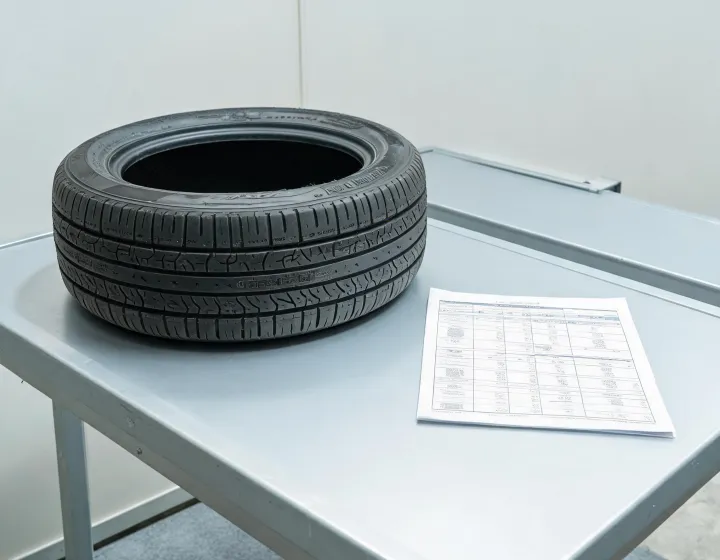
Specification matrix
Enter the actual requirements for each vehicle and tire position. The values must be checked against the vehicle and operating conditions before an order is approved.
| Input | What to provide | Why it matters |
|---|---|---|
| Size | Sidewall size and rim compatibility | Defines physical fit. |
| Load | Load index and axle duty | Frames capacity review. |
| Speed | Speed rating and route | Sets an operating boundary. |
| Construction | Radial or other requirement | Supports comparison by application. |
| Market | Destination and evidence required | Identifies applicable documentation. |
Before you send
- Vehicle or fleet application and axle position
- Road, climate, load and speed conditions
- Quantity, delivery destination and timing
- Testing, documentation and acceptance requirements
A complete request can also include the axle position, expected annual distance, route mix and climate. State whether the requirement is for an original application or a replacement program, and identify any existing product reference. Include the expected quantity and timing for each delivery region.
For technical approval, list the documents and acceptance checks required by the buyer. Ask for product-specific evidence and check its scope and date. Regulatory requirements depend on the destination and product; a management-system certificate does not replace an applicable product approval. Confirm every value against the vehicle guidance and the selected tire before installation.
Where alternatives are considered, compare their performance under the same duty cycle. Radial construction generally prioritizes heat management and highway operation; bias construction may suit some low-speed severe-service duties where sidewall stiffness matters. The right choice depends on the actual load, speed and surface. Tread life and rolling resistance depend on operating conditions, so a catalog figure alone is not a promise of fleet results. Confirm the relevant product data and its scope with the supplied documentation.