Application review
Identify vehicle type, axle position, routes and seasonal conditions before comparing products. Include expected load and operating speed so the specification can be considered against the real duty cycle.
Organize tire sourcing around the information that changes the decision.
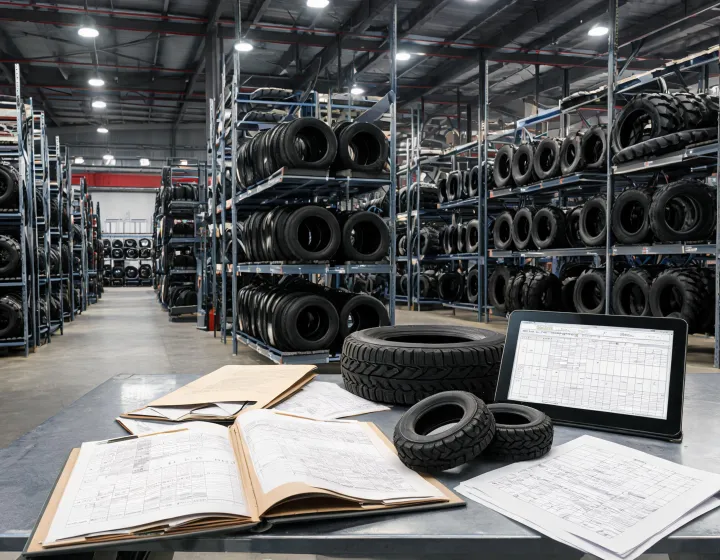
Identify vehicle type, axle position, routes and seasonal conditions before comparing products. Include expected load and operating speed so the specification can be considered against the real duty cycle.
Provide tire size, construction, load index and speed rating. For commercial use, include the anticipated service environment and any constraints on tread pattern or maintenance. Product suitability remains subject to the final application review.
Outline quantities, delivery locations and replacement timing. A forecast distinguishes immediate requirements from longer-term demand and helps make a request useful for purchasing teams and distributors.
Identify the destination market and evidence required for the specific tire. System certification and product regulation address different questions; request documents for the actual product and scope before approval.
Compare product-specific data on a consistent basis. Record the intended market, the service conditions and any required evidence before reviewing alternatives. For each proposal, confirm the size and load rating, the expected road environment, the quantity and delivery schedule. A clear scope helps purchasing and technical teams identify open questions before a specification is approved.
Where samples or validation are needed, agree the test method, acceptance criteria and responsibilities in advance. Review results in relation to the stated duty cycle. Requirements may change with route, axle position or vehicle configuration, so keep these details with the enquiry rather than assuming that one tire suits every use.